N A T A M Y C I N
Let the spoilage of cheese and sausages become a thing of the past.
Preservative in the Dairy and Meat Industry
Natamycin has been used for decades in the food industry as a biopreservative in the production of sausages in the meat industry and semi-hard and hard cheeses in the dairy industry. The advantages of its use as a substitute for traditional chemical preservatives are its neutral taste and less dependency on pH values.
In all cases where you have had problems with pathogenic bacteria, you will be simply delighted with the use of Natamycin. It can be applied by creating an aqueous suspension and immersing the product in it or by applying it to the surface of the product using a spray.
As a food additive, it has the E number 235. It successfully prevents the growth of osmophilic yeasts and molds in food products and does not interfere with bacterial fermentation.
There are harmful and beneficial molds. Beneficial molds are those that are necessary for the production of tasty blue cheese like Brie or Camembert.
However, in most food products, the development of molds and yeasts is not desirable. Some molds, which can also grow on cheeses, can produce toxins known as mycotoxins that are harmful to human health. Natamycin inhibits fungi and their toxin production.
Since Natamycin is not active against bacteria, it does not interact with bacterial fermentation as it occurs in cheeses, fermented dairy products, or sausages.
Natural Mechanism of Natamycin’s Effect Against Molds and Yeasts
Natamycin binds to ergosterol, a building block in the cells of yeasts and molds. Ergosterol enables the transport of nutrients through the membrane. When natamycin binds to ergosterol, the transport of nutrients is blocked, causing the cell to die. This naturally prolongs the shelf life of food.
Bacteria do not contain ergosterol and are therefore not susceptible to its effects. Natamycin is effective in extremely small quantities (one part per million).
Natamycin is a natural preservative that has been thoroughly tested; toxicity studies have clearly determined that in the amounts used for food products, there is no safety risk. It has been evaluated and approved by the Joint FAO/WHO Expert Committee on Food Additives (JECFA) and approved by the European Food Safety Authority (EFSA) and the U.S. Food and Drug Administration (FDA).
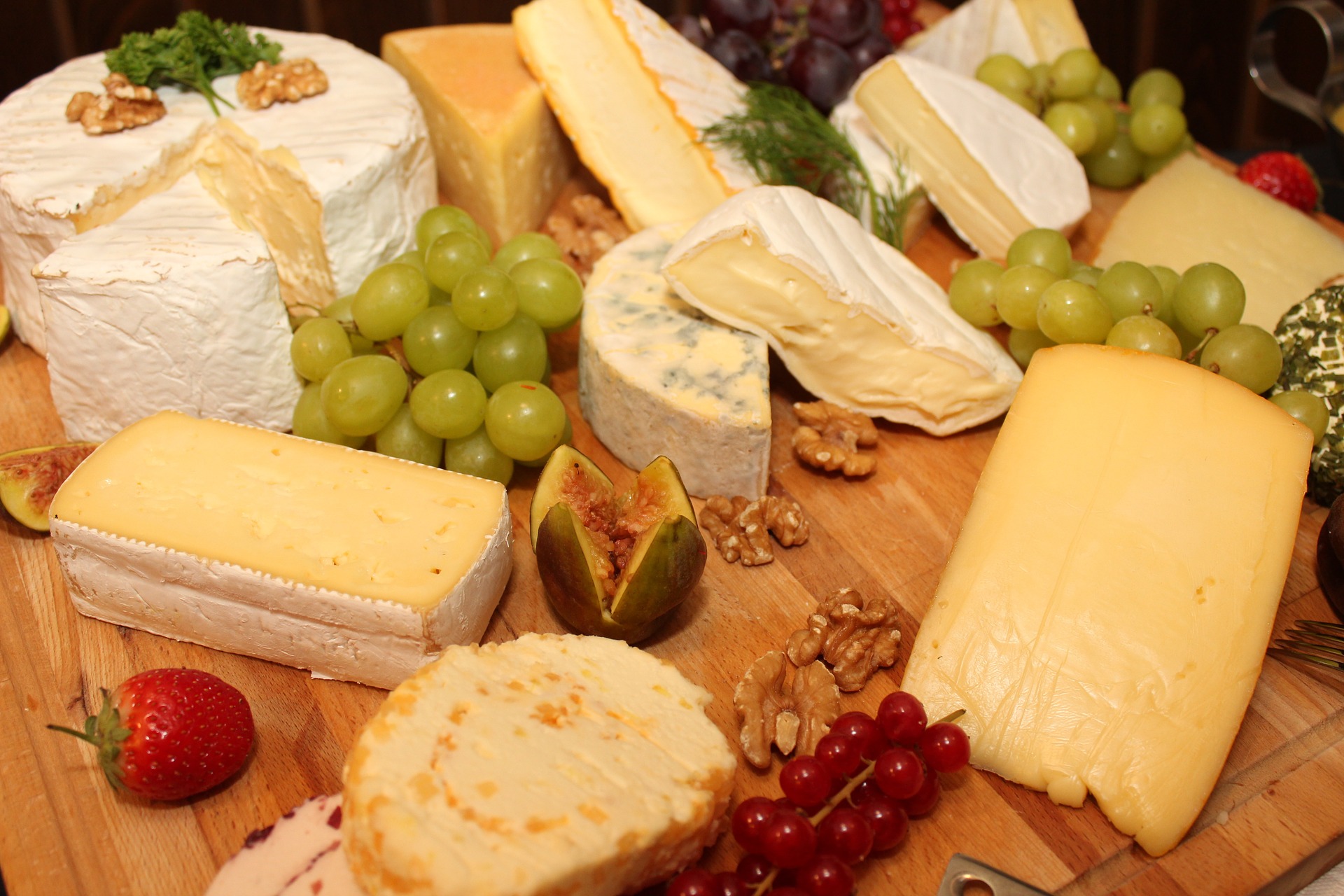
In Cheese: (Only surface treatment of hard, semi-hard, and semi-soft cheeses). It is applied by dipping into a solution containing 50-100 g/L of salt and 2 g/L of LAMIRCID D. The cheese is dipped into this suspension after being in brine or after being pressed into blocks. Impregnation time: a few seconds. Subsequent air drying. It can also be applied by spraying a solution of 2-5 g/L of LAMIRCID D. After that, the cheese is covered with plastic wrap or wax emulsion.
In Sausages: (Only surface treatment of dry-cured sausages). Impregnation of sausage casings before filling or of the sausages themselves immediately after filling with a solution of 40-60 g/L of salt and 2 g/L of LAMIRCID D. Impregnation time: 12 hours for natural casings, 1-2 hours for collagen casings. After spraying with a solution of 2-5 g/L of LAMIRCID D, the product is placed in storage.
In Cheese: (Only surface treatment of hard, semi-hard, and semi-soft cheeses). By dipping in a solution of 10-15% salt and 1 g/L LAMIRCID P. The cheese is impregnated in this suspension after being in brine or after being pressed into blocks. Soaking time: a few seconds; after this period, it is air-dried. By spraying a solution of 1-3 g/L LAMIRCID P. The cheese must then be covered with PVA or wax.
In Sausages: (Only surface treatment of dry-cured sausages). By dipping in sausage casings before filling or by dipping immediately after filling in a solution of 4-6% salt and 1 g/L LAMIRCID P. Soaking time: 12 hours for natural casings and 12 hours for collagen fiber casings. After spraying with a solution of 1-3 g/L LAMIRCID® P, place the product in storage.

Discovery of Natamycin 65 Years Ago
Natamycin is naturally found in soil as a result of natural biological bacterial fermentation. 65 years ago, specifically in 1954, Natamycin was discovered in a soil sample originating from Natal, South Africa, and it was named after this place. Scientists noticed that this antifungal agent blocks the growth of molds and yeasts by a unique mechanism – it prevents their nutrient uptake.
Dosage
Antifungal activity at very low doses: 1-40 ppm. Its use allows the complete elimination of surface growth of molds and yeasts, thus avoiding the occurrence of mycotoxins and organoleptic changes. It does not affect the taste, smell, or color of the product, as it does not penetrate inside. It does not act against bacteria, so it does not affect fermentation and the maturation of the final product.

Declaration
Declarationg of Natamycin depends on the regulations of each country/region. In the EU, it can be labelled as E235 or as Natamycin. In the US, it is labelled as Natamycin. It can be labelled as a natural mold inhibitor. Often, Natamycin is marked on food packaging as a natural mold inhibitor and is suitable for a “no artificial ingredients” statement.